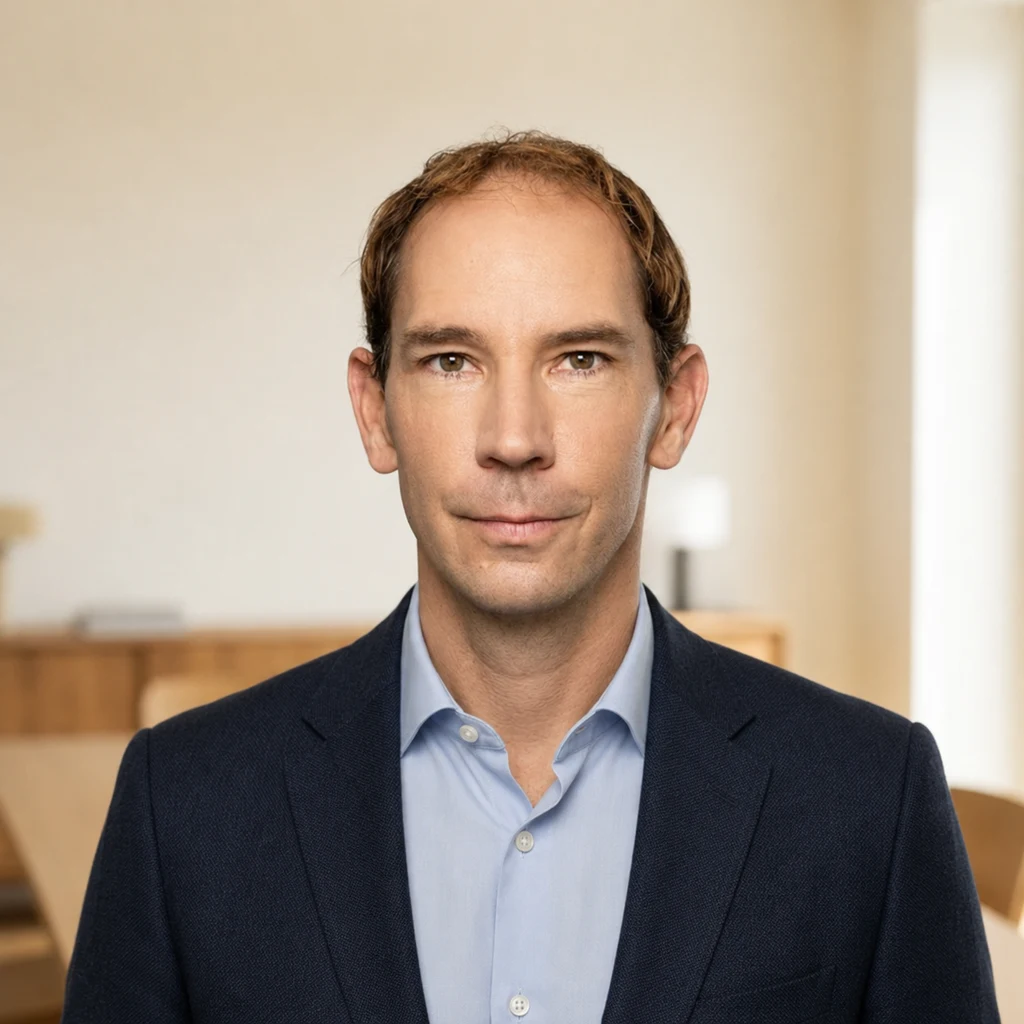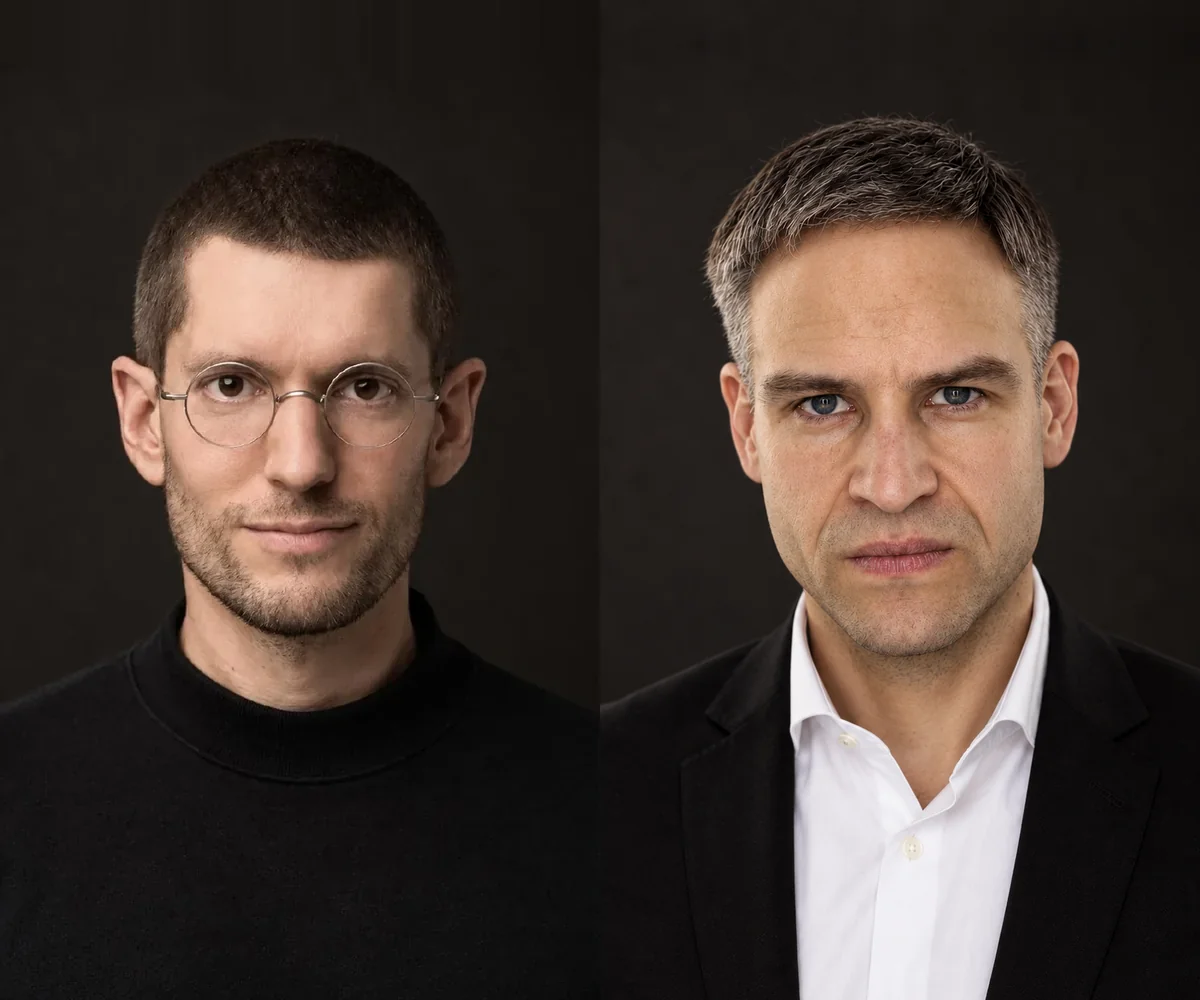
AI-native law firm Compound Law appoints Marc Schuba and Philipp Brandt as partners
Berlin, 11 November 2026. Compound Law, an AI-native law firm based in Berlin, has appointed two new partners. Marc Schuba, a White & Case alumnus who most recently served as legal counsel at Mercedes-Benz, joins as founding partner. Philipp Brandt, a business lawyer with more than 20 years of experience, joins as partner and adds restructuring and insolvency law to the firm’s offering. Both took up their roles in Berlin on 1 November. Their arrival expands the firm’s work in IT and AI law, data protection and intellectual property.
Schuba advises companies on SaaS and IT contracts, open-source licensing, data protection and the use of AI. At White & Case he worked in IT law and helped develop legal tech applications for mass claims. Most recently, at Mercedes-Benz, he was responsible for IT outsourcing and SaaS contracts and led a team that automated legal workflows with AI. He has been programming since his teens and builds AI systems for legal work.
Brandt is a certified specialist in intellectual property law. He co-founded the firm BaumgartenBrandt and most recently ran his own Berlin practice, brandt.legal. He advises managing directors through corporate crises, represents companies in trademark infringement cases and advises on data breaches under the GDPR. As a court-appointed insolvency administrator, he also knows corporate crises from the administrator’s side. He built insolvenzrechner.com, an online tool that gives managing directors an initial assessment of their company’s situation.
“Marc Schuba has been writing his own software for legal work for years, and Philipp Brandt has built his own online tools for clients. They know what AI can do and where a lawyer’s judgement is needed,” said Julian Jantze, Chief Legal Officer at Compound Law. “For our clients, this means that questions on software contracts, the EU AI Act, trademarks or an impending crisis go straight to a partner with many years of experience in the field.”
“I have always written code alongside my legal work. At Compound Law the two belong together: I help build the AI agents we work with, and as a lawyer I stand behind every result our clients receive,” said Marc Schuba.
“In a crisis, every day counts for a managing director. When the groundwork gets done faster, there is more time for the decisions that matter,” said Philipp Brandt.
About Compound Law
Compound Law is an AI-native law firm based in Berlin, founded by Marko Bradic, Mohit Tilwani and Julian Jantze. Since its market launch in February 2026, the firm has advised more than 50 clients, from start-ups and growth companies to Mittelstand businesses and corporates, across 9 practice areas. On its in-house platform Compound OS, AI agents prepare research, analysis and drafts, and a lawyer reviews every result and is accountable for it. Work is billed at fixed prices agreed up front instead of hourly rates.
AI accelerates. Humans decide. That is Compound Law.